



This article is
The goal: Put the memories into words.
When I was out there walking, a million thoughts crossed my mind. It started a year and a half ago. Already, the memories are fading, the sharp edges of what I felt are starting to blur. This is about re-living it, locking it down before it’s gone. Without a doubt, it was the best four months of my life.
This is a raw record of the thoughts and emotions born during that time.
Why I decided to walk.
I was already hiking back in Japan. Not that I had a huge crew—just one friend who’d actually go with me.
He and I talked about long trails and the world’s great routes all the time. Even so, the longest trip I’d ever done was just four days and three nights.
So, if you’re looking for some profound, definitive reason why I decided to take on a 111-day hike—there isn’t one.
I figured, “If it sucks, I’ll just quit.” That was the mindset while preparing. I started with zero weight on my shoulders. I had the time, I had the money, so I just decided to go.
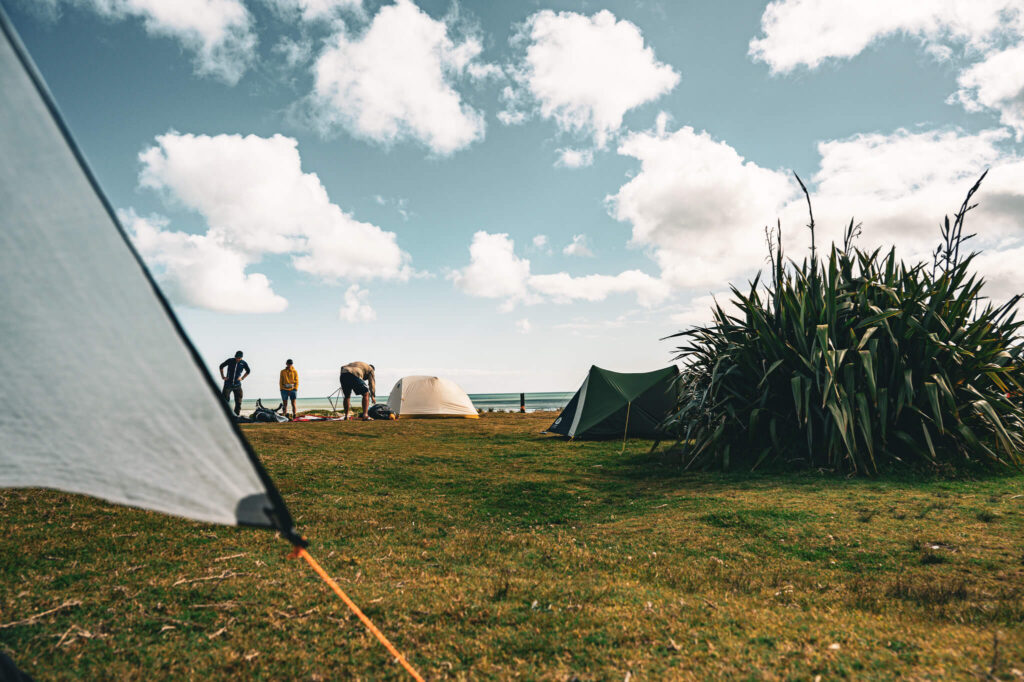
Elements that made it fun.
To put it short, there are four main pillars: growth, connection, liberation, and immersion.
Growth meant expanding my physical limits, toughening my mindset, and sharping my English. Connection was about linking with nature, diving into foreign cultures, and meeting people from all over the world. Liberation was the escape from societal pressure, financial anxiety, stress, and constraints. Immersion was completely losing myself in the environment and my own thoughts.
Every single element pushed me forward. Looking back, there wasn’t a single thing I hated.
Growth.
I evolved, and I devolved. Both happened.
The physical toll
For the first week, even on flat ground, hitting 25 kilometers left my legs feeling like concrete pillars. It’s that sensation where your brain forgets how to bend your knees.
But after a month, 25 kilometers became a short day. My biggest push was 100 kilometers in just two days.
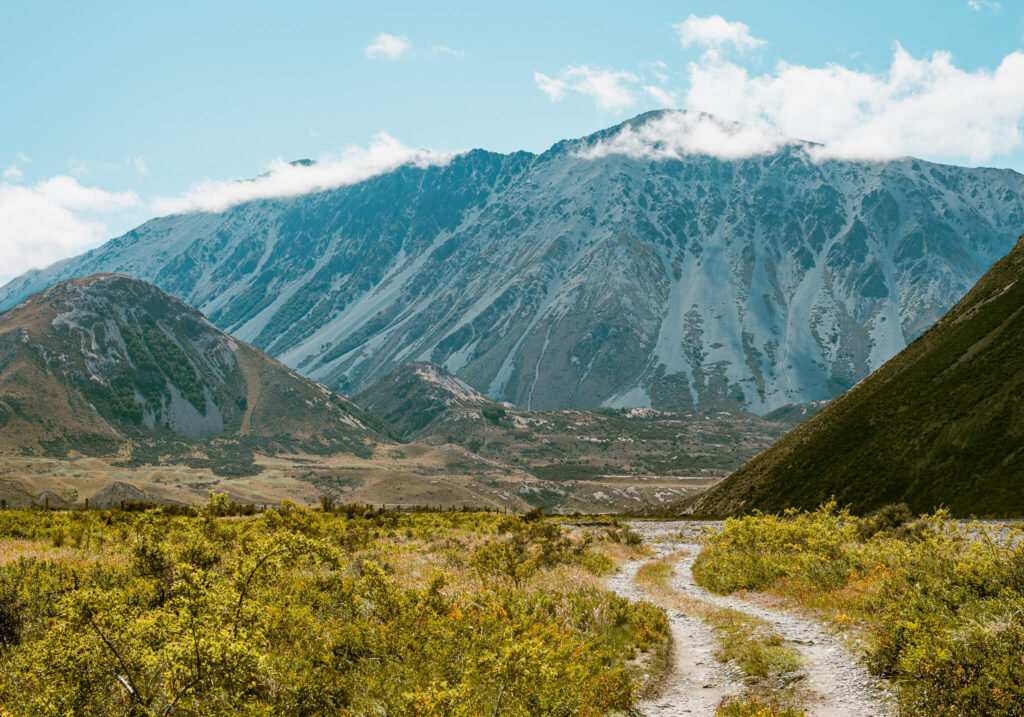
The skin on your feet thickens up, too. Early on, the skin on my soles ripped open and calloused over, a cycle that repeated until the hardening was complete around the two-month mark. It’s wild how the body adapts. Or maybe it’s just pure desensitization.
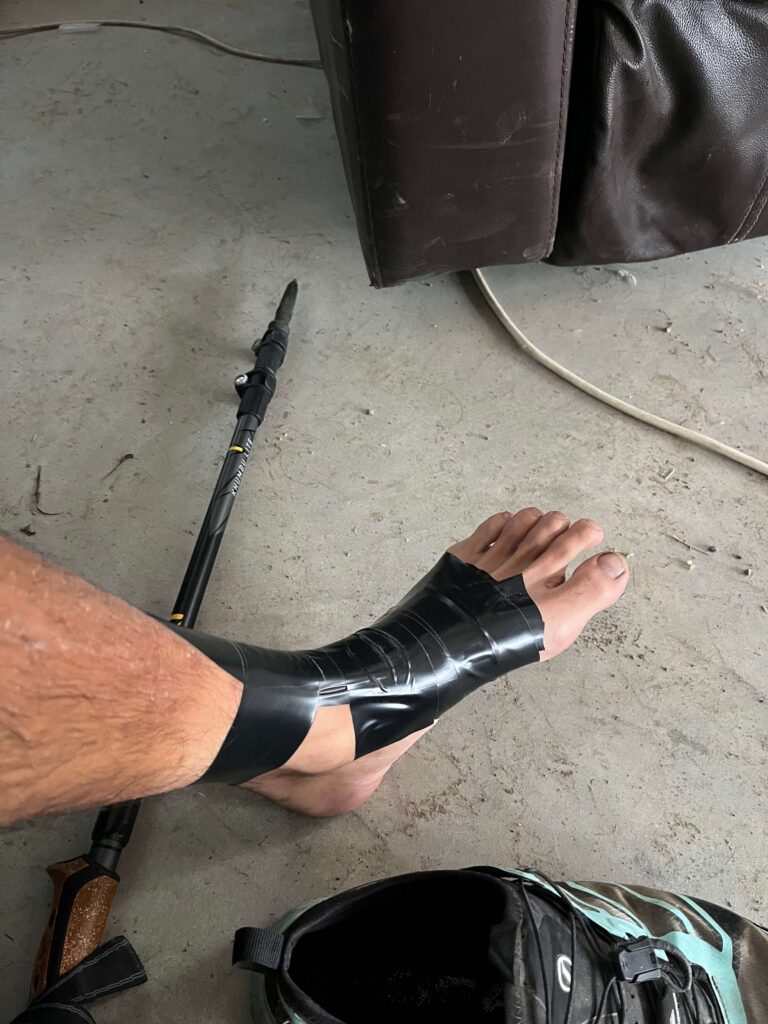
I only had one real issue: tendonitis. It happened because I broke in a new pair of shoes and tied the laces way too tight. Luckily, my background as a physical therapist came in handy, and I managed to fix it myself with some taping.
I also caught a cold. I’m usually not the type to get sick, but a severe lack of vitamins and proper nutrition dragged my system down. Someone had told me that swallowing a full spoonful of honey every day keeps colds away, so I tried it. Didn’t work. I guess results vary.
It took me about two weeks to finally shake it off.
The mental side of it
Every single day, you’re out there putting in ten hours of walking. No reception, no service, nothing to distract you. Your only job is to move forward.
I know exactly what you mean about successful people and their daily walks. They do it to spark the brain, and the science backs it up. The calf is the body’s “second heart”—pumping blood back up, increasing cerebral blood flow, and forcing the brain into overdrive.
We were doing that for ten hours a day. Even if you wanted to switch your brain off, you couldn’t. It was running at absolute maximum capacity.
It was a Hyperbolic Time Chamber for the mind.
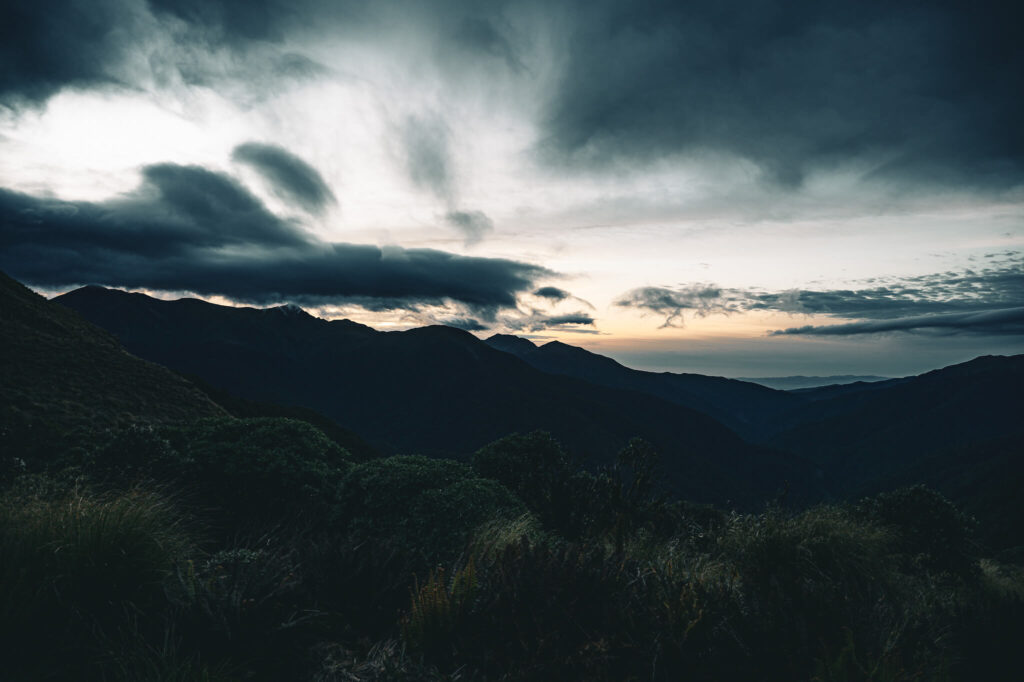
Thoughts collide, tumbling over one another—shifting to the next gear before you’ve even finished processing the last.
It’s an endless, rapid-fire interrogation with yourself. “Why do you think that?” “Well, because…” “But then doesn’t that mean…?” “Yeah, but if that happens…” “So you’re saying it’s like this?” “Exactly, and at the same time, absolutely not.”
You feel like you’re losing your mind. And you’re smiling while it happens.
Then you check your watch, expecting hours to have slipped away, only to find it’s been a staggering 15 minutes. There were times the sheer mental exhaustion literally anchored your feet to the ground.
But that is exactly why you love long trails. It forces you that deep into your own interior layout. That level of ruthless introspection yields a massive haul of discoveries.
English
If you want to master English, a long trail is the ultimate classroom. No textbook or course even comes close.
The reasons are clear: raw native conversation, emotional memory anchoring, unconscious speech, and thinking entirely in English.
Diving into “native conversation” was an absolute shock to the system. The gap between classroom English and the reality on the trail was massive. What you spent years studying was lightyears away from how they actually speak.
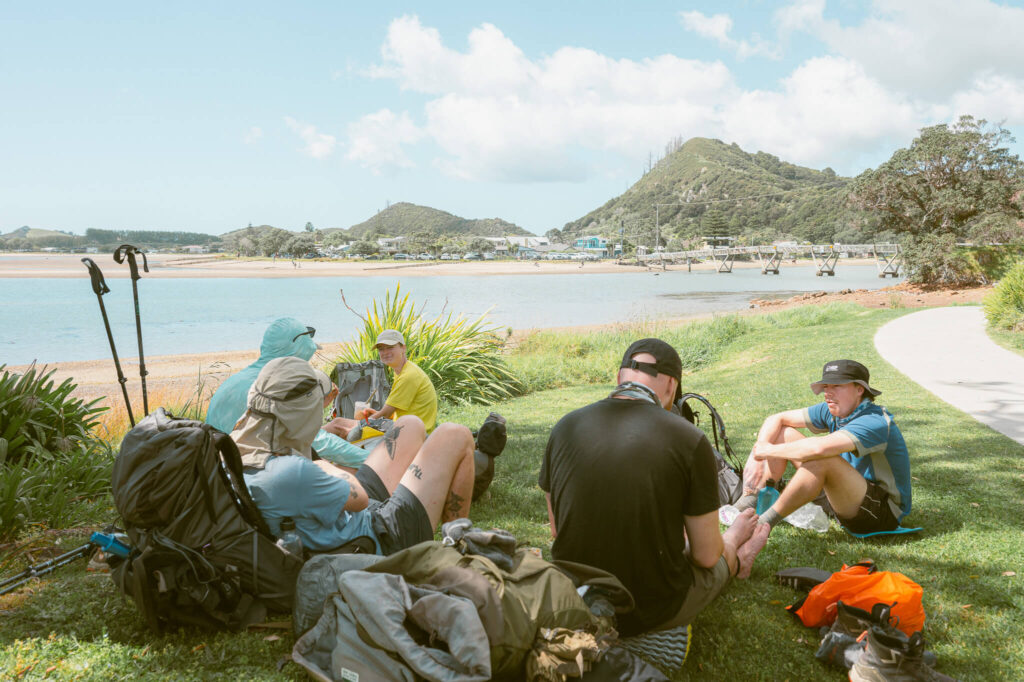
Grammar takes a backseat. It’s all about syllables and rhythm. That’s the kind of practical intuition you pick up out there.
When you start bantering with friends like that, the whole process becomes genuinely fun. On top of that, you’re constantly dealing with the elements—freezing, sweating, pushing through exhaustion. The English you are taught in those exact moments triggers “emotional memory anchoring,” meaning the vocabulary sticks instantly after hearing it just once.
Furthermore, as you engage in casual, “unconscious speech” with your trail mates, you begin forging an English brain that bypasses Japanese translation entirely. You start “thinking in English” because, without reception, there is no option to look up a word or use a translator.
An environment where input is deeply emotional and output becomes entirely unconscious—that is the essence of a long trail. If anyone is sitting at a B1 level wondering if they should sign up for English classes, they need to stop hesitating, pack a bag, and just start walking.
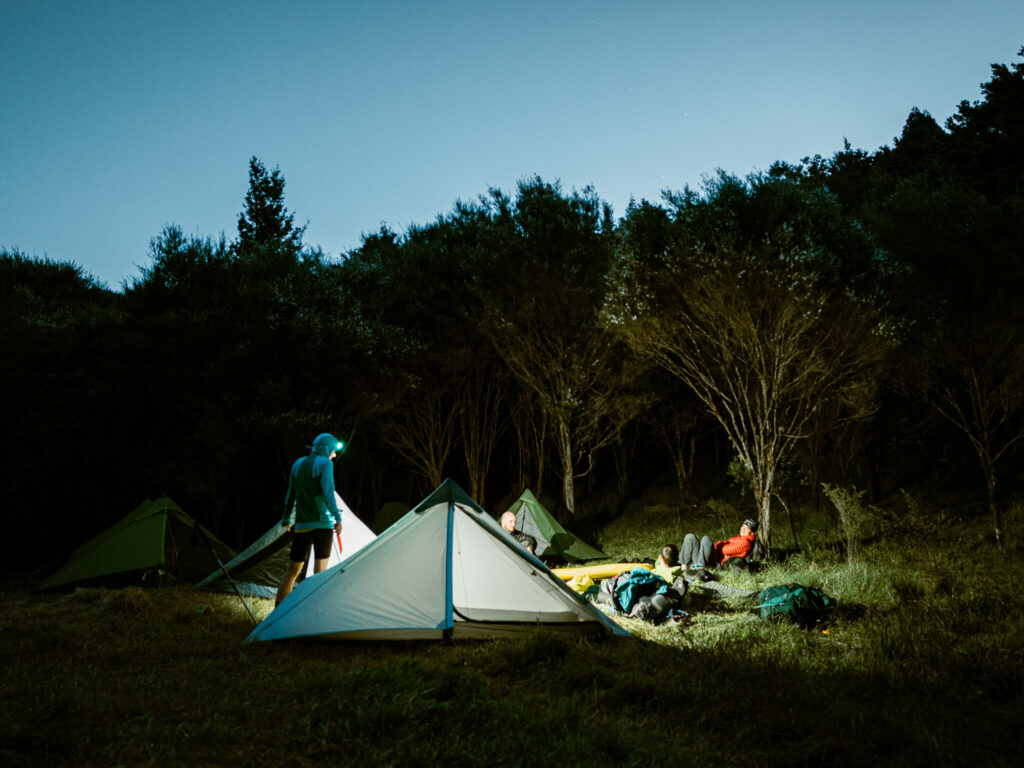
Connection.
The etymology of “connection” traces back to the Latin verb “connectere,” which means “to bind or tie together.”
Breaking down its structural anatomy reveals a precise mechanical intent:
- con- (together, jointly): A prefix derived from the Latin com-.
- nectere (to bind, tie, or fasten): A standalone verb indicating physical securing.
Combined, the root signifies the act of firmly interlocking multiple distinct elements into a singular, unified entity.
Cross-cultural exchange.
The Maori culture had the biggest impact on me.
They have a distinct way of living—they don’t use a written language, and they granted a sacred river the exact same legal rights as a human being. Those are just the high-impact headlines, though.
At its core, their culture is one that strikes straight at the essence of reality.
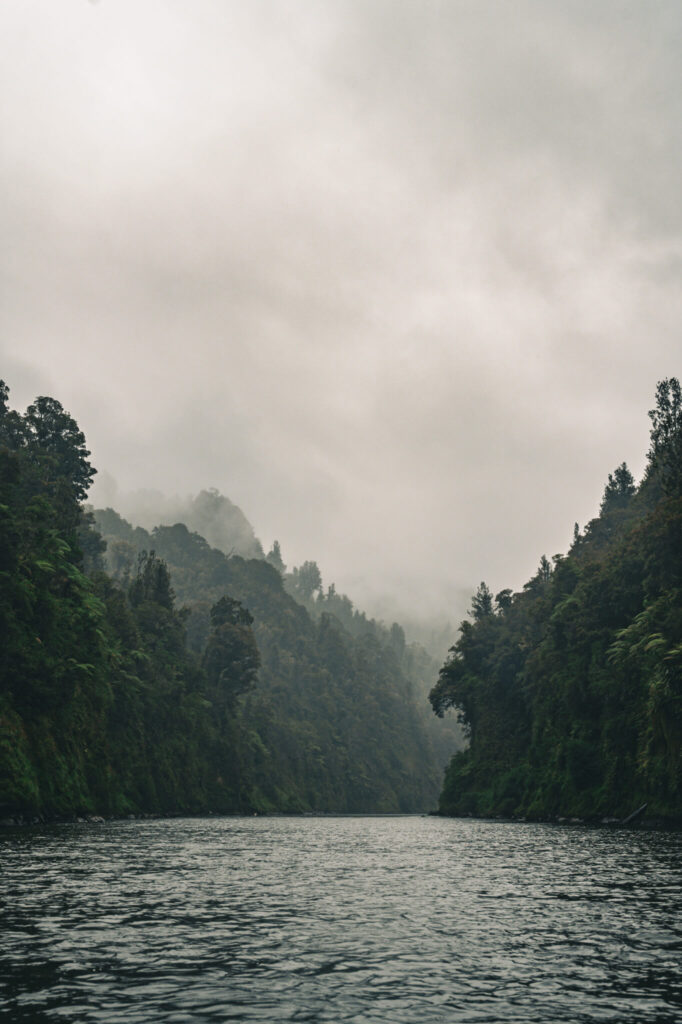
Intrigued, I started digging into it and talking to them directly. It didn’t take long to get completely hooked.
But the people I actually met out there were incredibly warm. One Maori grandmother treated me with a kindness that made her feel like my own family.
Foreigners.
I used the word “foreigners” here primarily to mean people from Europe.
I’d guess around 90% of the Te Araroa hikers were European. In my experience, France, the UK, and Germany were especially well-represented.

Never having set foot in Europe, the culture shock hit me heavy.
At the same time, I’m pretty sure my perspective as a Japanese guy threw them for a loop, too. We spent hours dissecting education, politics, laws, and the unspoken rules of our societies. By the end of those debates, my only conclusion was: Japan is a weird place.
Take family dynamics, for example.
I’d never once told my parents “Thanks for giving me life” or “I love you.” But these European hikers were constantly calling home or writing letters.
I asked one of them, “Is that just normal where you’re from?”
“Yeah,” he said. “But it’s not about being normal. It’s about what matters.”
When I told him I’d never expressed anything like that to my parents, he didn’t let it slide. A week later, he handed me a postcard and gave me a direct order: “Write to your parents.”
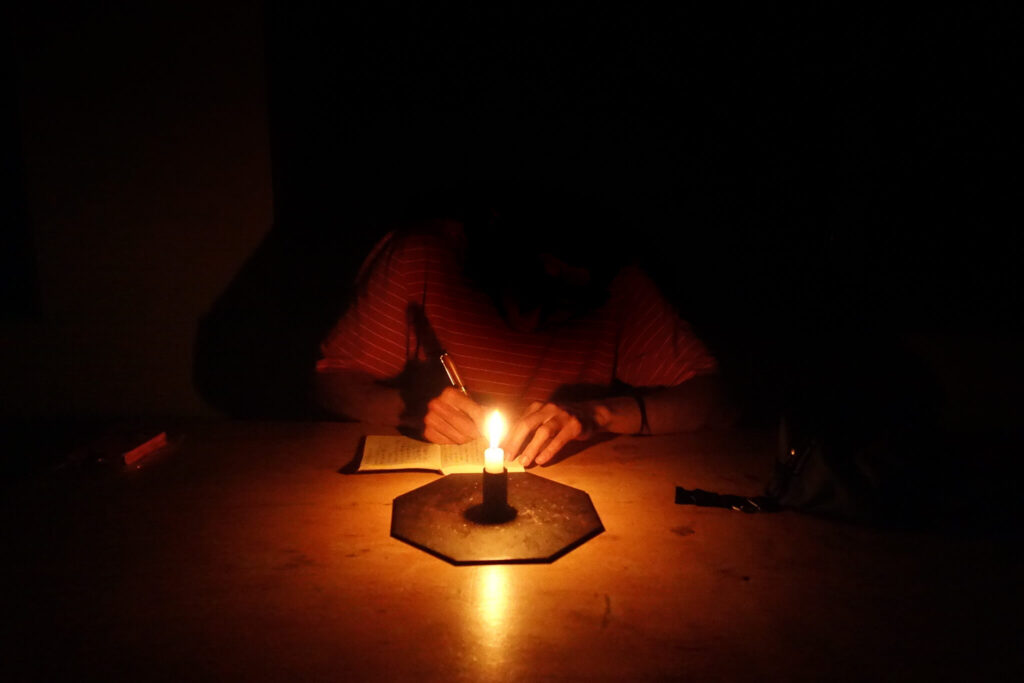
On the back, he had printed a photo of me out on the trail.
Thanks to his sharp move, I ended up expressing gratitude to my parents for giving me life—something I’d never done before. Since that day, I’ve carried that appreciation with me. It was a piece of foreign culture I knew I needed to absorb.
Liberation
It’s about breaking free from constraints. Recognizing the rigid preconceptions you didn’t even know you were carrying.
Society
Up until that point, my connection to the world was strictly filtered through Japanese society and the internet.

I was constantly, unconsciously exposed to everything—events in Japan, global news, stock market fluctuations, and the shifting tide of the world.
But once I started the long trail, things changed. I left the towns behind, and the mountains became my home. Out there, beyond the reach of cell service, my connection to the internet was cut off entirely.
Life began at a distance from society. And from that remote vantage point, I was finally able to look back at the world I used to live in with absolute objectivity.
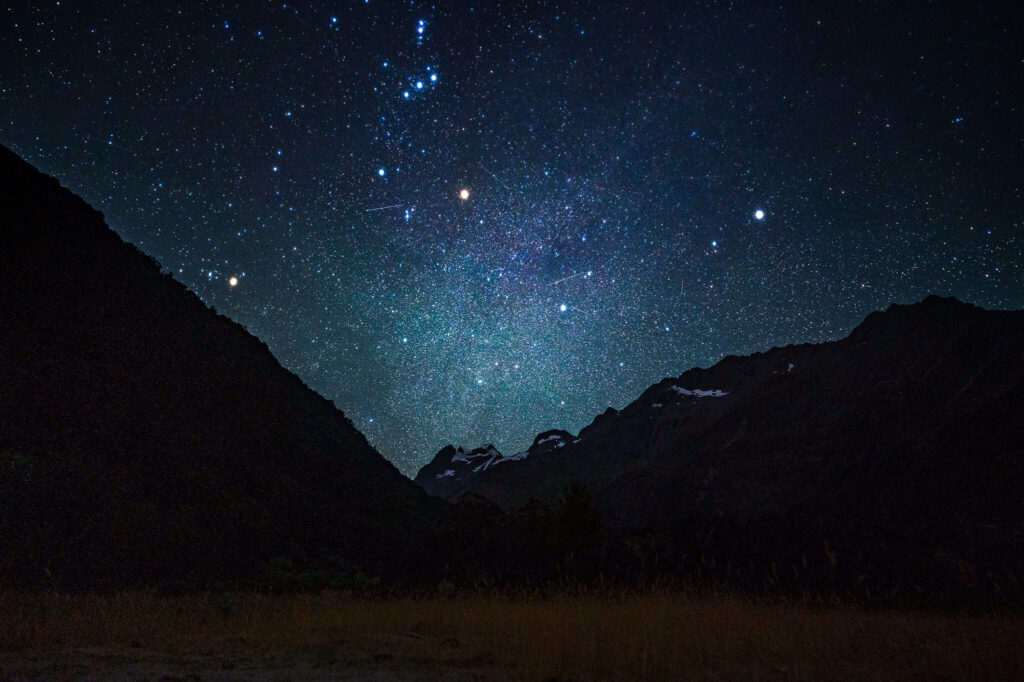
It was a profound experience, realizing exactly what had been holding me captive and laying bare the rigid preconceptions I’d been carrying all along.
Currency
One of those layers was “money.”
Before the trail, whenever my bank account started dipping, an uninvited anxiety would creep in. Being out of work, or being in a state where money was strictly flowing out without any coming in, made me feel deeply uncomfortable—though I could never quite pinpoint why.
Conversely, just having a job gave me a sense of security; a steady income meant stability. But looking back, those emotions were entirely manufactured by my attachment to society. I was literally letting the presence or absence of money dictate my level of happiness.
On a long trail, that logic fell apart. Granted, the cost of living out there is lower than in the city, but money is still strictly flowing one way: out.
Yet, the anxiety never showed up. On the trail, money is reduced to a simple tool. It can buy resupplies in town or secure a bed for the night, but its power ends there. In the mountains, it’s completely useless. It can’t shorten the miles you have to crush today, it can’t clear the weather, and it definitely won’t stop the bugs from biting.
Because you aren’t living a city life, the scope of what money can actually achieve shrinks, and its perceived importance plummets.
That shift pushed money far away from my core values. The financial anxiety evaporated while I was moving, and by the time I reached the end of the trail, the obsession with it was entirely gone.
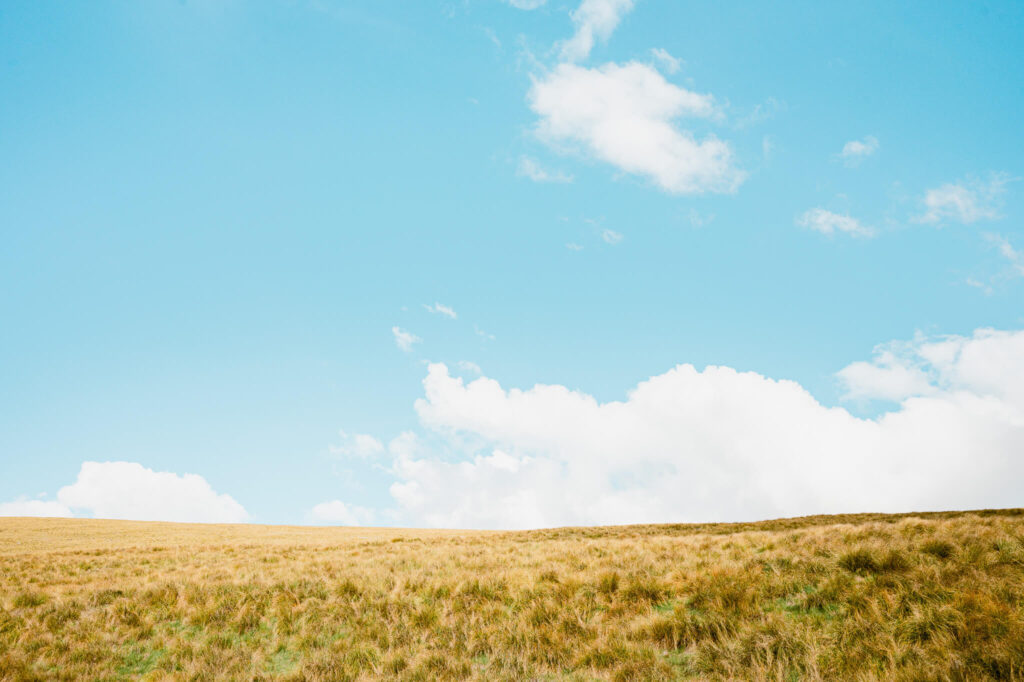
Breaking free from the obsession with currency allowed me to face it with complete neutrality.
At its core, it’s just a tool required for basic survival; as long as the system of taxation exists, simply being alive incurs a cost. But I no longer believe it has any bearing on personal happiness.
To me, the true value of a long trail lies in its power to strip away those illusions, letting you touch a more fundamental kind of fulfillment and liberating you completely from the rat race manufactured by society.
Stress
This isn’t about massive, acute trauma; it’s about the chronic, subconscious stress that bakes into standard everyday life.
And the root cause is “choice.”
They say the average person makes about 35,000 decisions a day. Your brain is caught in a relentless loop of Should I get up now? How should I handle this paperwork? What’s the best way to word this email?
On the flip side, a thru-hiker spends 10 hours a day just walking, which drastically cuts down that cognitive load. I don’t have hard data on this, but on days when the navigation is straightforward, your only real decision after crawling out of the tent is Where am I eating lunch today?
Your meals are predetermined. When you’re thirsty, your only option is water. Your choices are ruthlessly optimized because, quite frankly, nothing exists outside of what’s already packed inside your gear.
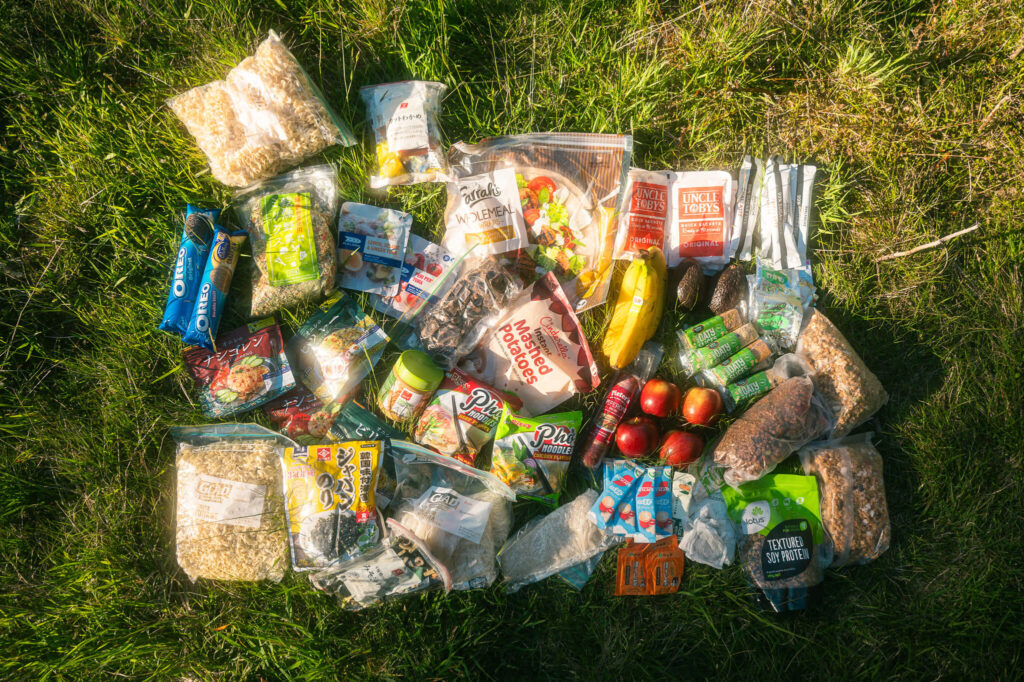
This contraction of options heavily reduces the sheer volume of daily decisions. And again, this is strictly my personal take, but it completely stops the act of “choosing” from draining your cognitive battery.
Minimizing these choices directly alleviates the mental load, which I believe frees up psychological bandwidth—opening up a different kind of mental expansion or clarity.
But I didn’t actually register the profound impact of this low-choice existence until after the finish line.
Right after the initial “Hell yeah, I finished!” high wore off, an absolute onslaught of infinite decisions ambushed me: What now? Where to next? How do I get there? What should I eat?
In that exact moment, it hit me: Wow, this is stress. I could practically hear my brain frying from the sudden overload. Over the course of four months, my mind had gradually, seamlessly adapted to an environment stripped of non-essential options. Throwing myself straight back into standard society was an immediate system shock.
In fact, I couldn’t even bring myself to reintegrate right away. To escape that overwhelming reality, I spent the next two weeks in pure denial—literally turning around to re-hike sections of the Te Araroa and seeking out other connecting trails just to keep the city at bay.
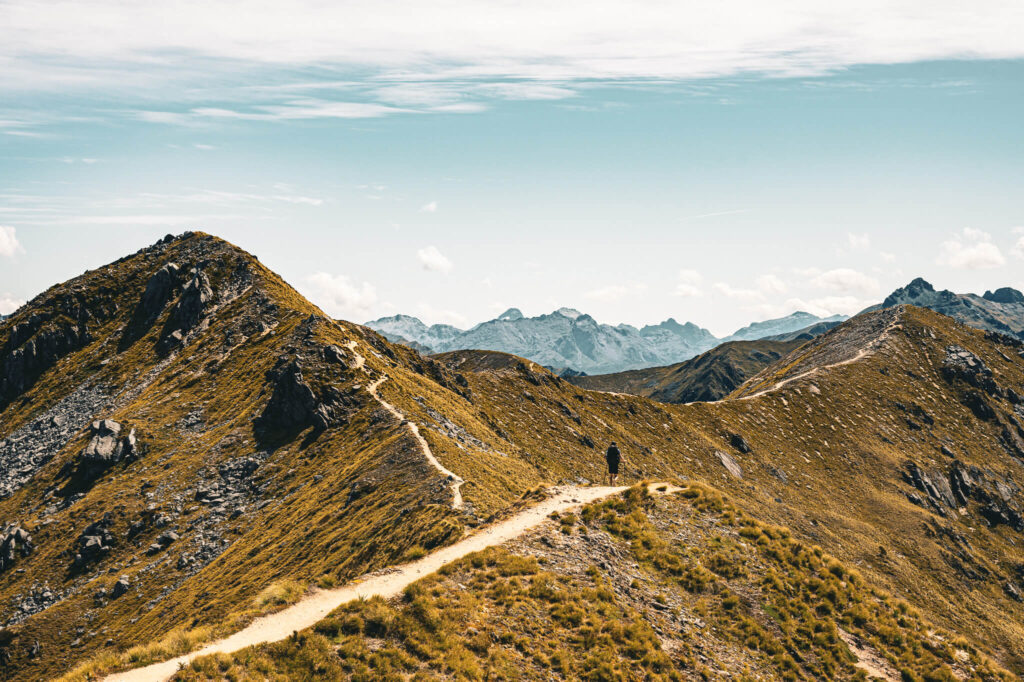
By that time, my mind had re-adapted to the choice-heavy environment of daily life, and that chronic stress once again slipped beneath the surface of my consciousness.
The decisions you face in the mountains are simple, yet they are directly tethered to survival. Conversely, the decisions manufactured by society carry no immediate threat to your life, yet they are paralyzingly complex—warped by the gaze of others and anxieties about an unseen future.
It was only because the trail had forced my brain into a state of cognitive energy-saving that I was able to painfully grasp, post-victory, just how much of my mental bandwidth was being ruthlessly stripped away by the completely inconsequential choices of everyday existence.
Constraints
These restrictions turned out to be nothing more than subjective brakes I had slammed on myself. Because of the radical shift in perspective brought on by the environment, it was only after the trail that I looked back and realized, Wow, I was just assuming I couldn’t do these things.
I had built up rigid constructs about everything: the supposed necessity of conforming to traditional society, the belief that absolute freedom can only be found abroad, the false limits of my own sphere of influence, how I allocate my time, and the true weight of gratitude.
The trail stripped it all down to a singular truth: if it isn’t absolutely essential, it’s baggage.
Naturally, because this is an entirely subjective framework, it’s bound to be misunderstood by most people—but I couldn’t care less. I live by my own lens now. If anything, that entire journey was a masterclass in learning to accept exactly who I am.
“Be unique.”
That was a piece of advice given to me by a wonderfully eccentric guy who picked me up while hitchhiking. It’s a phrase I carry with me to this day.
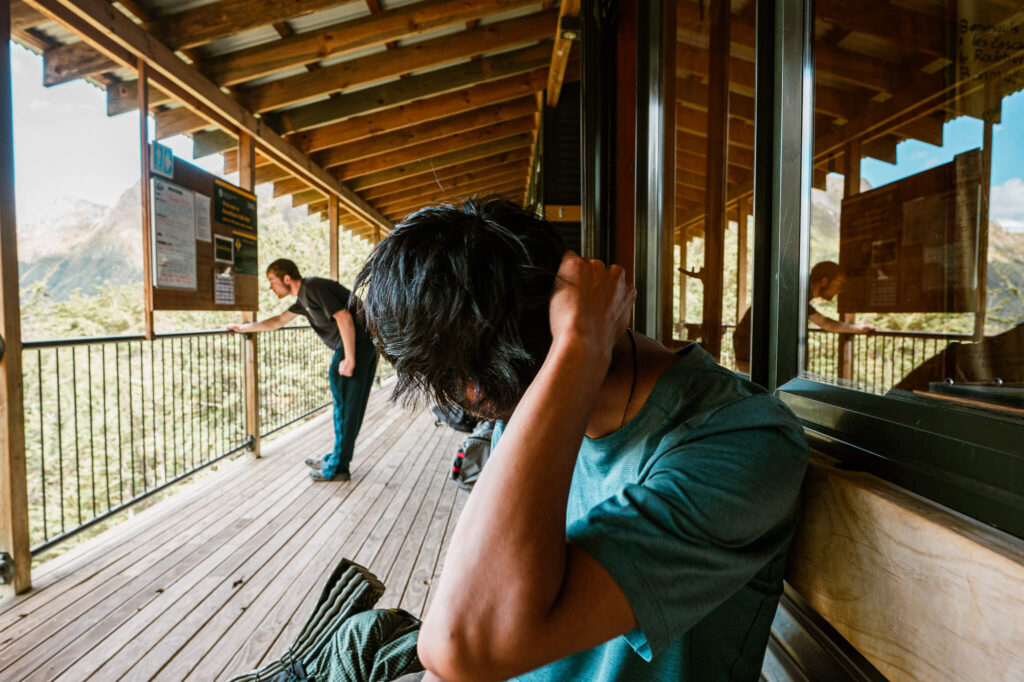
Immersion.
The way I used my time each day underwent a radical, total transformation. And while I was throwing every ounce of my energy just into adapting to this new existence, I found myself slowly, deeply sinking into a state of absolute immersion.
Environment
The hours that once belonged to a career were suddenly traded for the simple act of putting one foot in front of the other.
My diet devolved, centered almost entirely around instant food. The people filtering in and out of my days were no longer colleagues or clients, but exclusively other hikers. Even the visual backdrop of my life was completely replaced—swapping out concrete roads and rigid buildings for raw trails and deep forests.
It wasn’t just the positive shifts that transformed me; the harsh, unforgiving changes played just as massive a role. They provided the friction that dictated both the sheer speed and the profound depth of my immersion into that world.
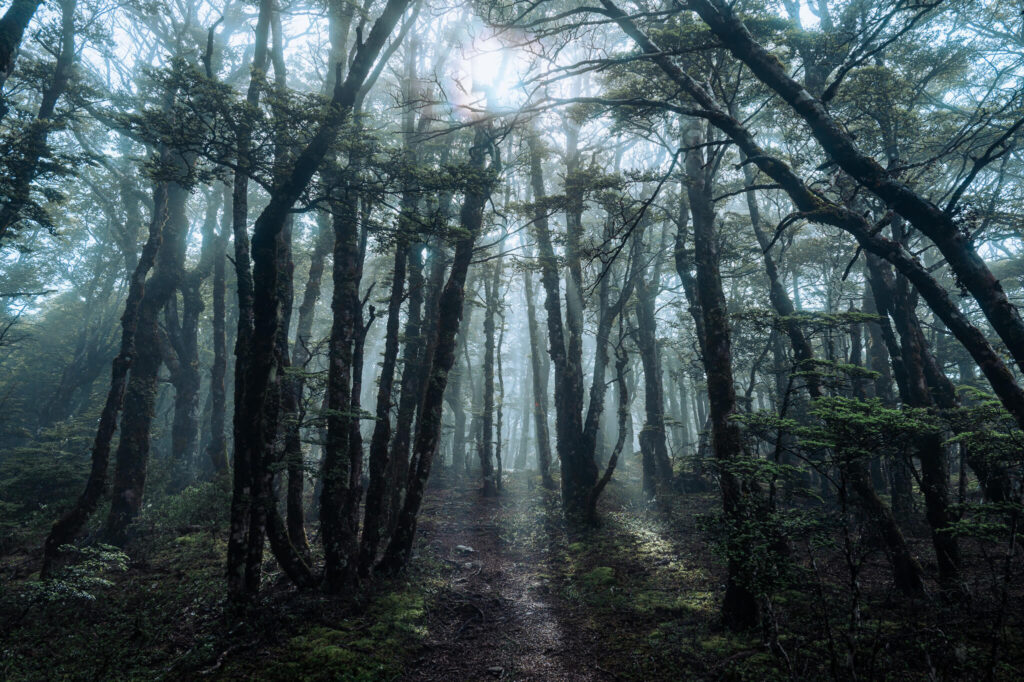
Driven by my sheer love for that world, I was entirely consumed by it—hooked so deeply that, in the back of my mind, I found myself wishing it would just last forever.
Thinking
That world leaves absolutely no room for human agenda; instead, it is packed with coincidences that feel entirely inevitable. From the shifting weather to random encounters, every single day was a constant, exhilarating surprise.
This is exactly why I recommend choosing a trail that takes at least a month to complete.
Everyone adapts at a different pace, but it generally takes about a month just to fully acclimate to the lifestyle. It feels like a massive waste to reach the finish line right when things are getting good—just as you’ve finally gotten used to the rhythm and the profound internal shifts are about to surface.
Don’t get me wrong, I love the simple joy of breathtaking views and immersing myself in a new culture. But if you have the luxury of carving out more than a month of time, a truly long-distance trail is unmatched.
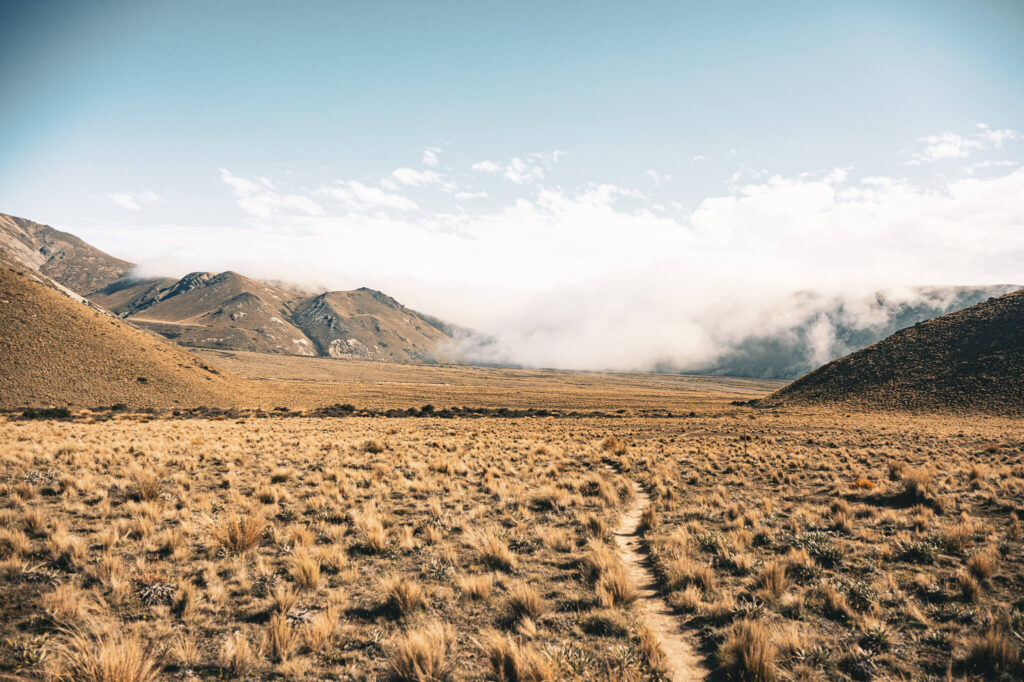
Those who enjoyed the long trail. Those who didn’t…
To be honest, anyone can hike a long trail. A number like 3,000 kilometers sounds massive, but once you start, it’s just a daily routine. Faced with the human capacity to adapt, even 3,000 kilometers becomes second nature.
Yet, some people out there clearly weren’t enjoying it. They seemed to have lost their reason for walking.
Both during and after Te Araroa, I met several hikers who constantly talked about how miserable they were or how badly they wanted to quit. Since I was genuinely having a great time the entire way, their perspective felt alien to me. When I listened to them, their minds were always trapped in anxiety and predictions about the future, or they were just physically broken down by exhaustion.
In a way, I respected them because they had committed to the trail with far more grim determination than I ever did—my attitude was always, If this gets boring, I’m out. But at the same time, it made me wonder: what is the point of walking if it brings you no joy?
It felt like their sole purpose had shifted entirely to the act of “finishing.”
If that happens, you completely lose sight of why you’re engaging in such an irrational act—using the lowest-spec method of transportation possible just to reach a destination.
Te Araroa, or any long trail, isn’t a competition. Finishing it doesn’t make you special.
Wrapping up
This is a 100% unfiltered raw take. It probably makes me sound intensely biased.
But I wrote this because I know there are people out there who operate on the exact same wavelength, and I wanted them to read it. If you’re the type who is constantly stuck in your own head, always analyzing and overthinking things, a long trail is the exact environment you need.
The barrier to entry is significantly lower than you think. Just start. If you hate it, you can quit—keep that exact level of momentum.
To the hikers who think like this: I look forward to crossing paths with you somewhere out there on the dirt.


コメント